
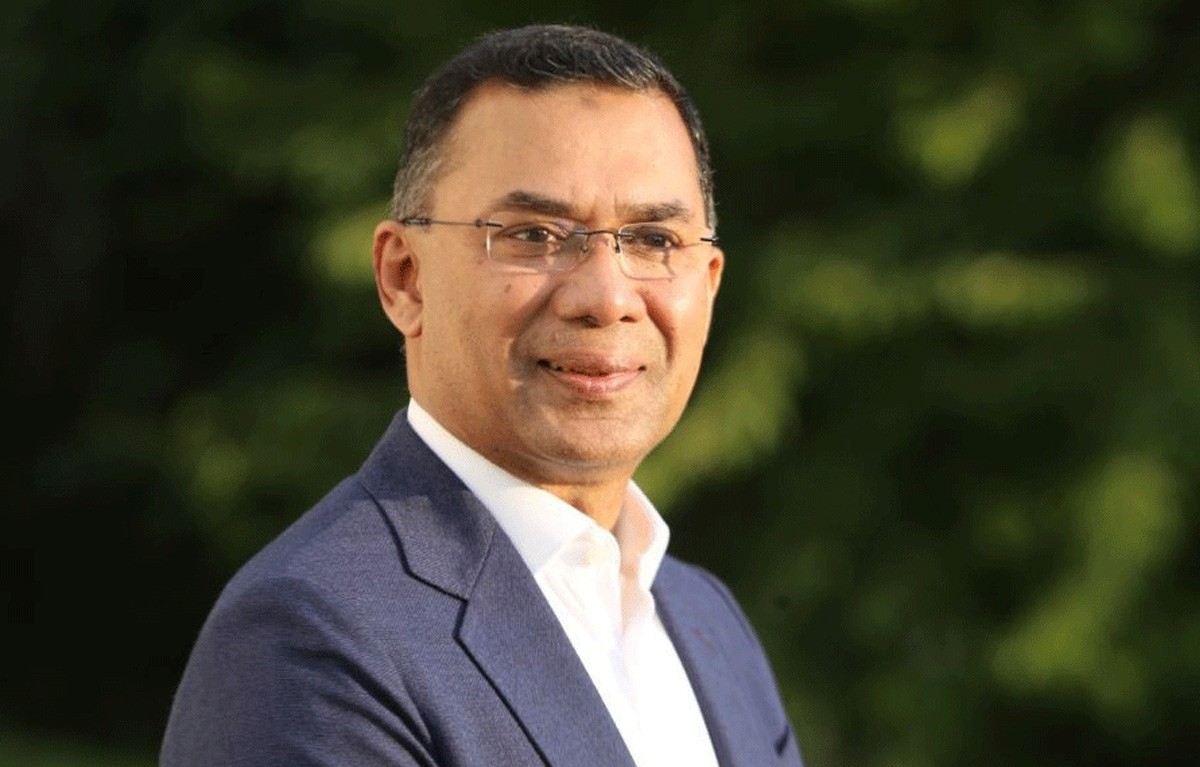
Today marks the 61st birthday of BNP Acting Chairman Tarique Rahman. He was born on 20 November 1965, and within his family he is affectionately known as Pino.
Tarique Rahman began his political journey in 1988 at the age of 22 when he became a member of Gabtali Thana BNP in Bogura district. Even before formally joining, he had already been active in political activities. During the national election of 1991, he travelled across the country with his mother, former Prime Minister Khaleda Zia, and participated in extensive campaign programs. His leadership presence became even more prominent during the 2001 national election when he once again actively worked across the nation.
On 3 February 1994, he married Dr Zubaida Rahman, daughter of former Air Force Chief and former Minister of Communications and Agriculture Rear Admiral Mahbub Ali Khan.
In 2002 he was appointed Senior Joint Secretary General of the BNP. After receiving this important responsibility, he engaged in wide scale communication with grassroots members to strengthen the party from the foundation. Through community outreach programs organized by Jubo Dal, Chhatra Dal, and Swechchhasebak Dal, he earned a reputation as an energetic and capable organizer among young activists. His rise in the leadership of the BNP came through his own capability, not merely because he is the son of the party founder. Political opponents attempted to spread false claims out of envy, but none of those allegations had any real basis.
Even while living in the United Kingdom, he continues to participate in the party’s activities virtually as the Acting Chairman. For nearly sixteen years, despite facing politically motivated lawsuits, harassment, and various obstacles from the Awami League government, his leadership and strategic political vision have kept the BNP united.
Following the fall of the Awami League government on 5 August, he has focused on initiatives to build national unity. In his speeches, he consistently promotes the message of unity and encourages political support that comes from the people rather than displays of force.
After the July Revolution he took organizational action against almost three thousand leaders and activists for violating party discipline. This firm and principled step reinforced the practice of responsible and ethical politics within the party. Many BNP leaders believe that his initiatives will help establish a stronger foundation for positive and meaningful changes in the future political environment of Bangladesh.